
Our Partnership with Ocean Alliance Project
Island Splash Tours is proud to partner with Ocean Alliance Project to support sea turtle conservation and marine research in Waikiki. Through this partnership, Ocean Alliance Project conducts their Sea Turtle Conservationist Program using Island Splash Tours as their official research vessel at Turtle Canyon.
Researchers, marine biologists, and program participants book seats on our boat to access the reef where they collect data, photograph sea turtles, and monitor turtle populations in the waters off Waikiki. This program combines education, hands-on research, and sea turtle snorkeling to help better understand and protect Hawaiian green sea turtles.
Island Splash Tours is currently the only boat operating snorkel trips to Turtle Canyon that actively partners with a conservation organization to support sea turtle research. By working directly with Ocean Alliance Project, we are able to connect visitors with real conservation efforts while helping protect the marine life that makes snorkeling in Waikiki so special.
Protecting Hawaii’s Marine Ecosystems
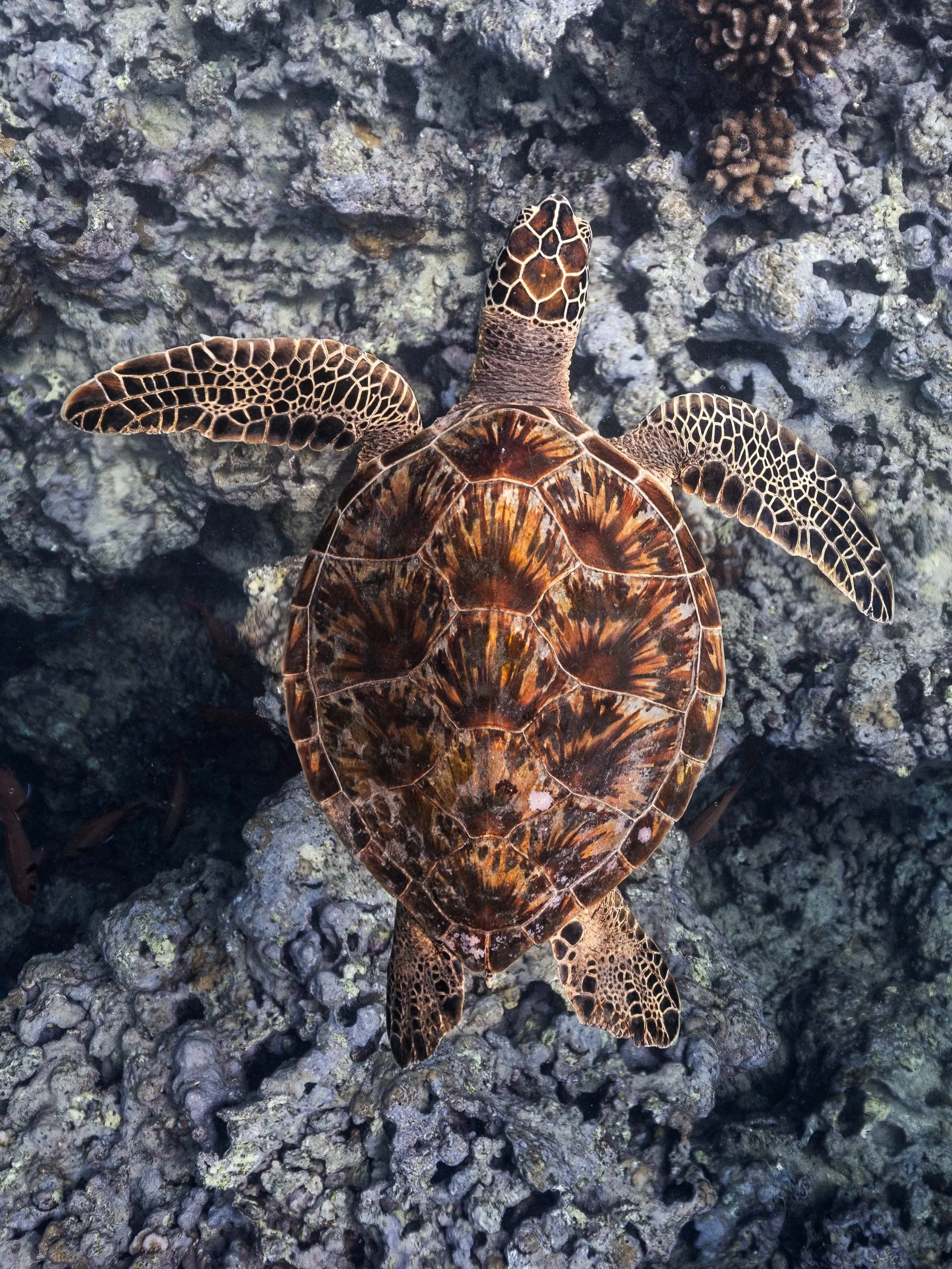
The waters surrounding Waikiki are home to one of the most vibrant marine ecosystems in Hawai‘i. Just offshore from the famous beaches of Honolulu lie coral reefs filled with tropical fish, rays, octopus, and Hawaiian green sea turtles known locally as honu. These reefs play a critical role in supporting marine biodiversity and are one of the main reasons snorkeling in Waikiki has become such a popular ocean activity for visitors traveling to Oahu.
Healthy coral reefs provide shelter, food, and breeding grounds for hundreds of marine species. Hawaiian green sea turtles depend on these reef ecosystems for feeding and cleaning stations where reef fish remove algae and parasites from their shells. Locations like Turtle Canyon near Waikiki are especially important because they function as natural gathering areas where turtles regularly return.
Protecting these ecosystems is essential not only for marine life but also for future generations who travel to Hawai‘i to experience the ocean. At Island Splash Tours, we believe that enjoying the ocean should always go hand in hand with protecting it.
Our Partnership with Ocean Alliance Project
Island Splash Tours proudly partners with Ocean Alliance Project, a marine conservation organization focused on protecting Hawaii’s coral reefs and Hawaiian green sea turtle populations through research, education, and community science.
Ocean Alliance Project operates their Sea Turtle Conservationist Program in Waikiki using Island Splash Tours as their official research vessel. Researchers, conservation divers, and participants book seats on our boat to travel offshore to Turtle Canyon, where they conduct sea turtle monitoring and conservation research.
Through this collaboration, Island Splash Tours is currently the only boat operating snorkel trips to Turtle Canyon that actively supports sea turtle conservation research as part of its ocean programs. This partnership allows researchers to access the reef while also giving visitors the opportunity to learn directly from marine conservation experts working in Hawaii.
Sea Turtle Conservation Research at Turtle Canyon
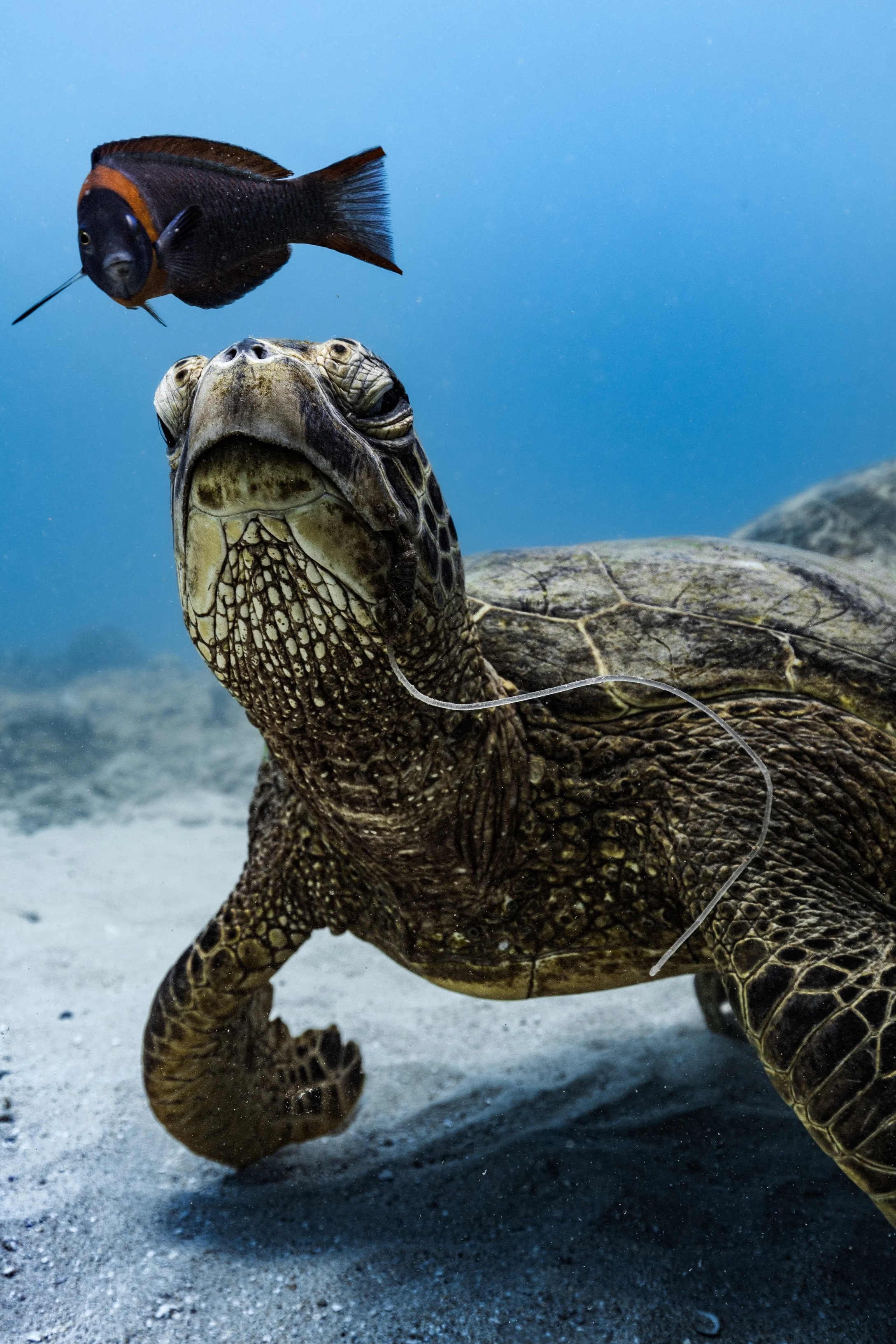
Turtle Canyon is one of the most well-known snorkeling locations on Oahu because of the Hawaiian green sea turtles that visit the reef’s cleaning stations. Small reef fish gather around the turtles to remove algae and parasites from their shells, which attracts turtles to the area throughout the day.
Because turtles frequently return to this reef, Turtle Canyon provides an ideal environment for monitoring individual animals and studying their behavior over time.
During Ocean Alliance Project’s conservation programs, participants join marine biologists for a guided sea turtle snorkeling experience focused on research and data collection. While snorkeling, participants photograph turtles in the wild and contribute these images to scientific databases used by researchers.
Each sea turtle has unique markings and patterns on its shell that scientists use to identify individuals. By collecting photographs over time, researchers can track where turtles travel, how often they return to certain reefs, and how their populations change over the years.
This type of photo identification research allows scientists to monitor turtle health, study habitat use, and better understand how Hawaiian green sea turtles interact with reef ecosystems around Waikiki.
Community Science and Education
A key part of the Sea Turtle Conservationist Program is education. Participants learn about Hawaii’s coral reef ecosystems, the role turtles play in maintaining reef health, and the challenges these animals face in a changing ocean environment.
Guests are introduced to non-invasive monitoring techniques used by marine biologists to study sea turtles while minimizing disturbance to the animals. This includes photographic identification methods and new technologies such as facial recognition software that can help identify individual turtles more efficiently.
Participants also learn about coral reef ecology, reef restoration projects happening in Hawaii, and how local conservation organizations are working to protect marine biodiversity.
By combining education with hands-on research experiences, the program allows visitors to develop a deeper understanding of Hawaii’s marine ecosystems while actively contributing to conservation work.
Why Sea Turtle Conservation Matters
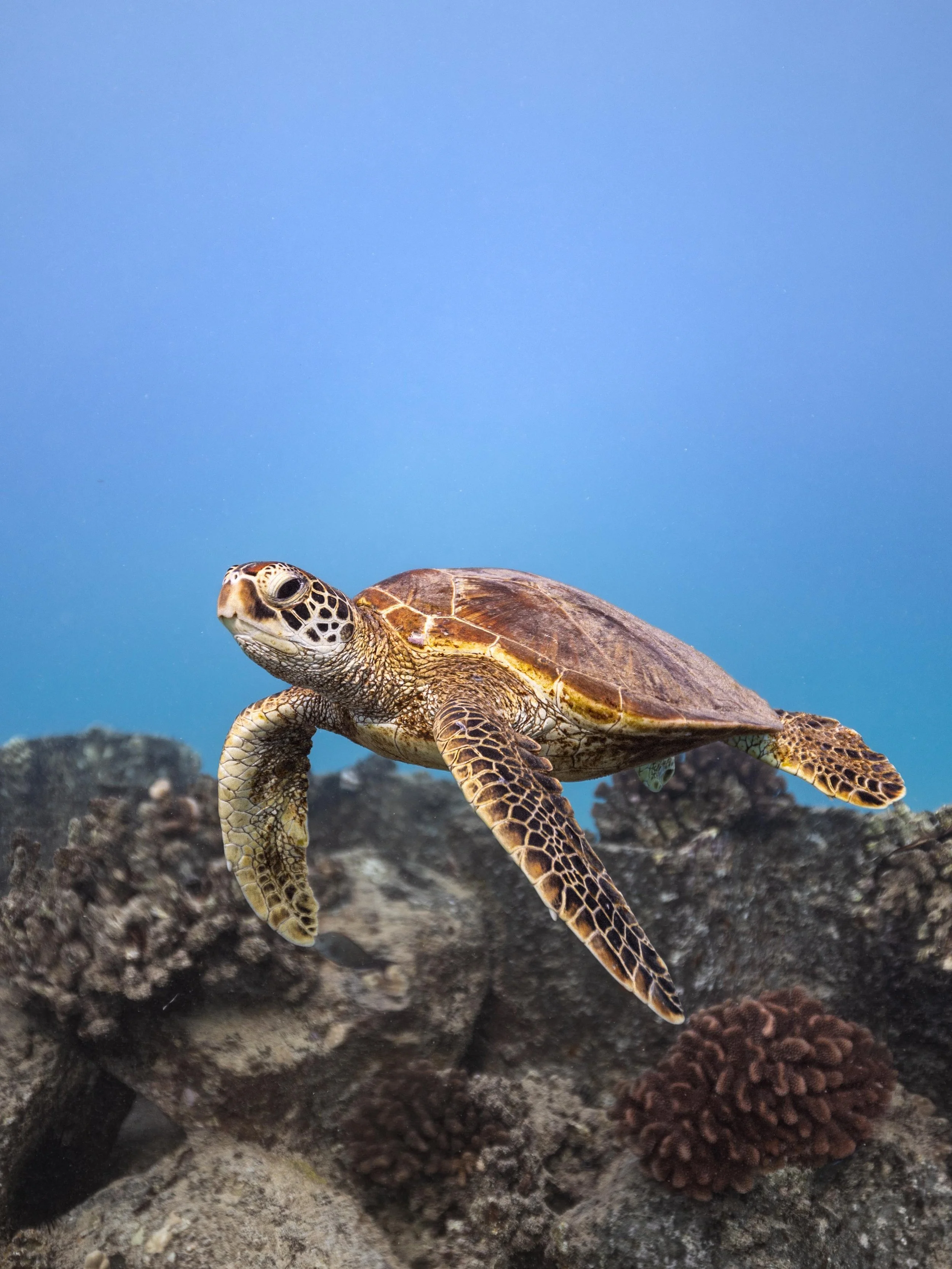
Hawaiian green sea turtles are a threatened species that have faced numerous challenges over the past century. Although their populations have recovered significantly thanks to conservation efforts and legal protections, they still face threats from marine pollution, fishing gear entanglement, coastal development, and disease.
One disease affecting sea turtles in Hawaii is fibropapillomatosis, which causes tumors that can impact a turtle’s ability to swim, eat, and see. Monitoring turtle populations helps researchers track how environmental changes and human activity impact these animals.
Research programs like the one conducted at Turtle Canyon help scientists better understand sea turtle behavior and population trends so conservation strategies can be adapted over time.
Protecting sea turtles also helps protect coral reefs. As herbivores, turtles help maintain the balance of reef ecosystems by grazing on algae that would otherwise overgrow coral.
Conservation Through Responsible Tourism
Tourism plays a major role in Hawaii’s economy, but it also creates an opportunity to promote responsible ocean practices and environmental stewardship.
Programs like the Sea Turtle Conservationist Program demonstrate how tourism and conservation can work together. Visitors are able to experience snorkeling with sea turtles in Waikiki while also contributing to research that helps protect these animals.
Island Splash Tours is committed to responsible wildlife viewing practices and educating guests about how to safely interact with marine life. Hawaiian green sea turtles are protected under both state and federal law, and guests are always required to maintain a safe distance and avoid touching or disturbing them.
By choosing tour operators that prioritize conservation and marine education, visitors can help ensure Hawaii’s ocean remains healthy and thriving for generations to come.

Connecting Visitors with Conservation
For many participants, the Sea Turtle Conservationist Program becomes one of the most meaningful experiences of their trip to Hawaii. Instead of simply observing marine life, guests become part of the research process and contribute to real conservation efforts happening in the waters surrounding Waikiki.
Through our partnership with Ocean Alliance Project, Island Splash Tours helps bridge the gap between tourism and conservation. By supporting scientific research and educating visitors about Hawaii’s marine ecosystems, we hope to inspire a deeper appreciation for the ocean and the incredible wildlife that calls it home.