
Marine Life You’ll See Snorkeling on Oahu
Oahu’s reefs are home to an incredible variety of marine life, and snorkeling is one of the easiest ways to experience Hawaii’s underwater world. While the exact species you see can vary from day to day, the reefs surrounding Waikiki — especially areas like Turtle Canyon — are known for reliable wildlife sightings and healthy reef ecosystems.
For many visitors, snorkeling on Oahu becomes one of the most memorable experiences of their trip because of how close you can get to marine life in clear tropical water.
Below are some of the animals you’re most likely to encounter while snorkeling around Oahu.
Hawaiian Green Sea Turtles (Honu)
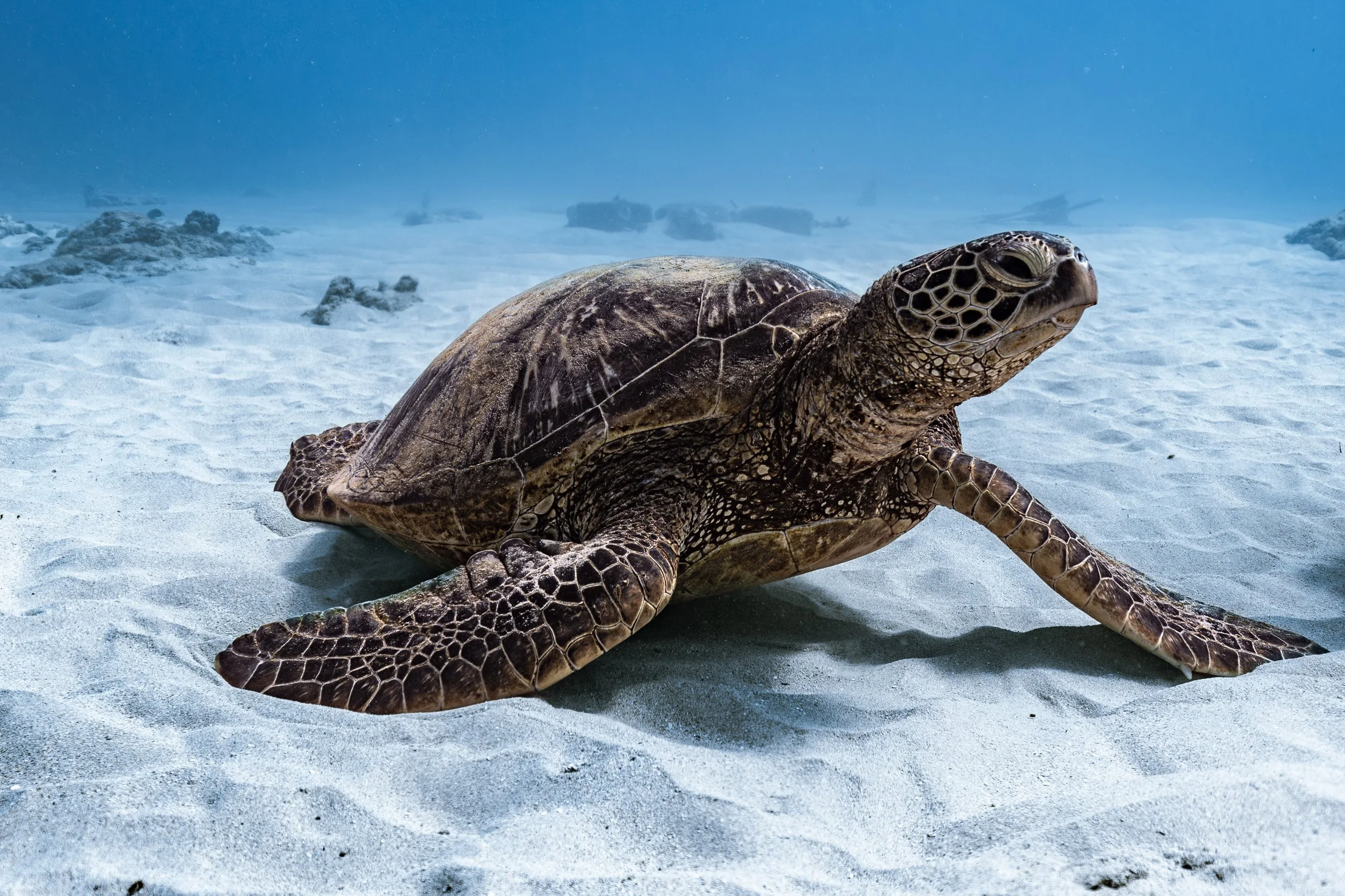
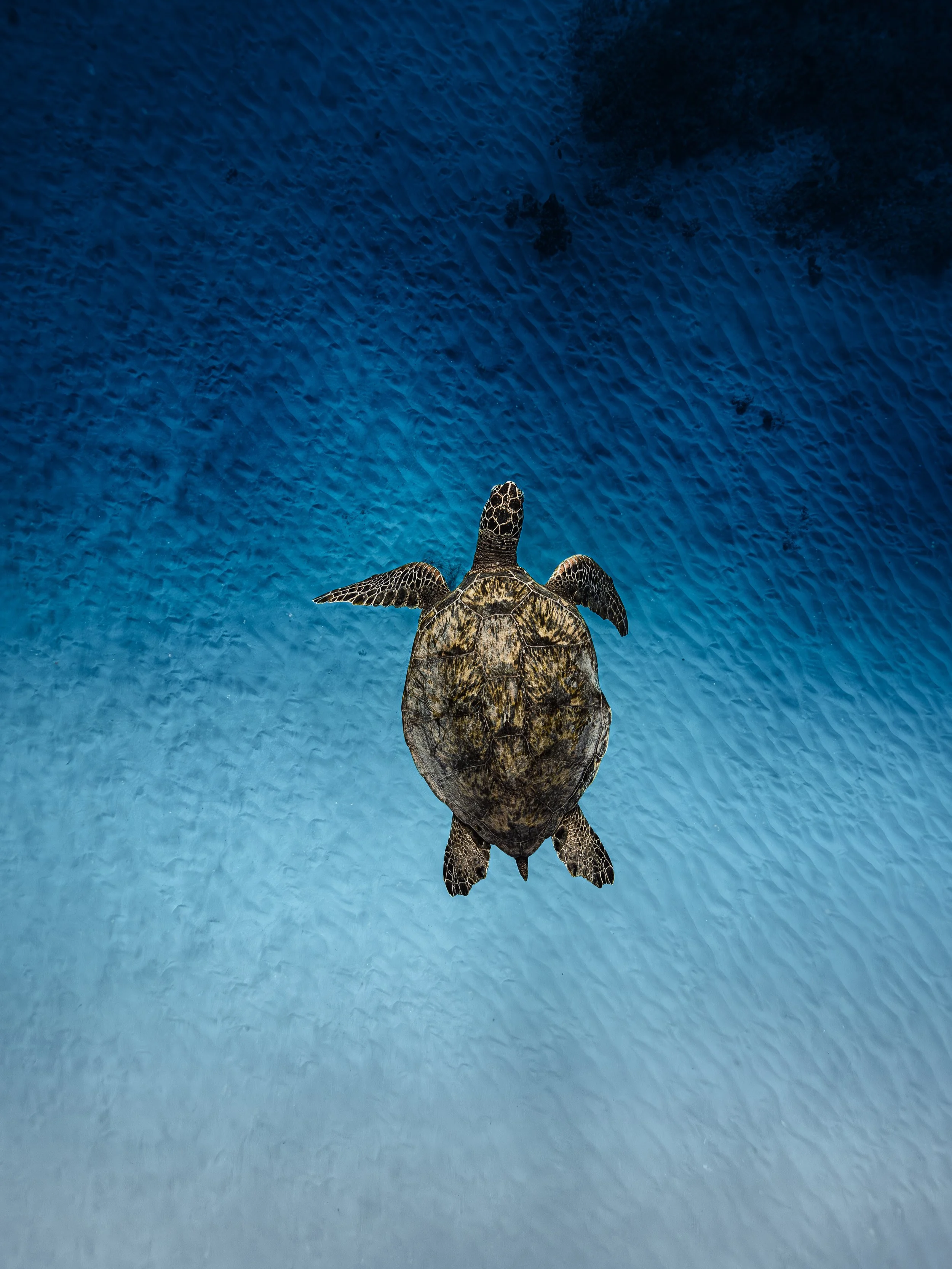
The most famous marine animal you’ll likely encounter while snorkeling on Oahu is the Hawaiian green sea turtle, locally known as honu.
These protected turtles are commonly seen at reef cleaning stations where small fish remove algae and parasites from their shells. Locations like Turtle Canyon near Waikiki are particularly well known for this behavior, which is why snorkel tours often visit the area.
Watching a sea turtle glide slowly through the water is an unforgettable experience. These animals can grow to over 3 feet long and weigh several hundred pounds, yet they move gracefully through the ocean with slow, powerful strokes of their flippers.
Because sea turtles are protected under federal and state law, visitors should always observe them respectfully and keep a safe distance while snorkeling.
Hawaiian Spinner Dolphins
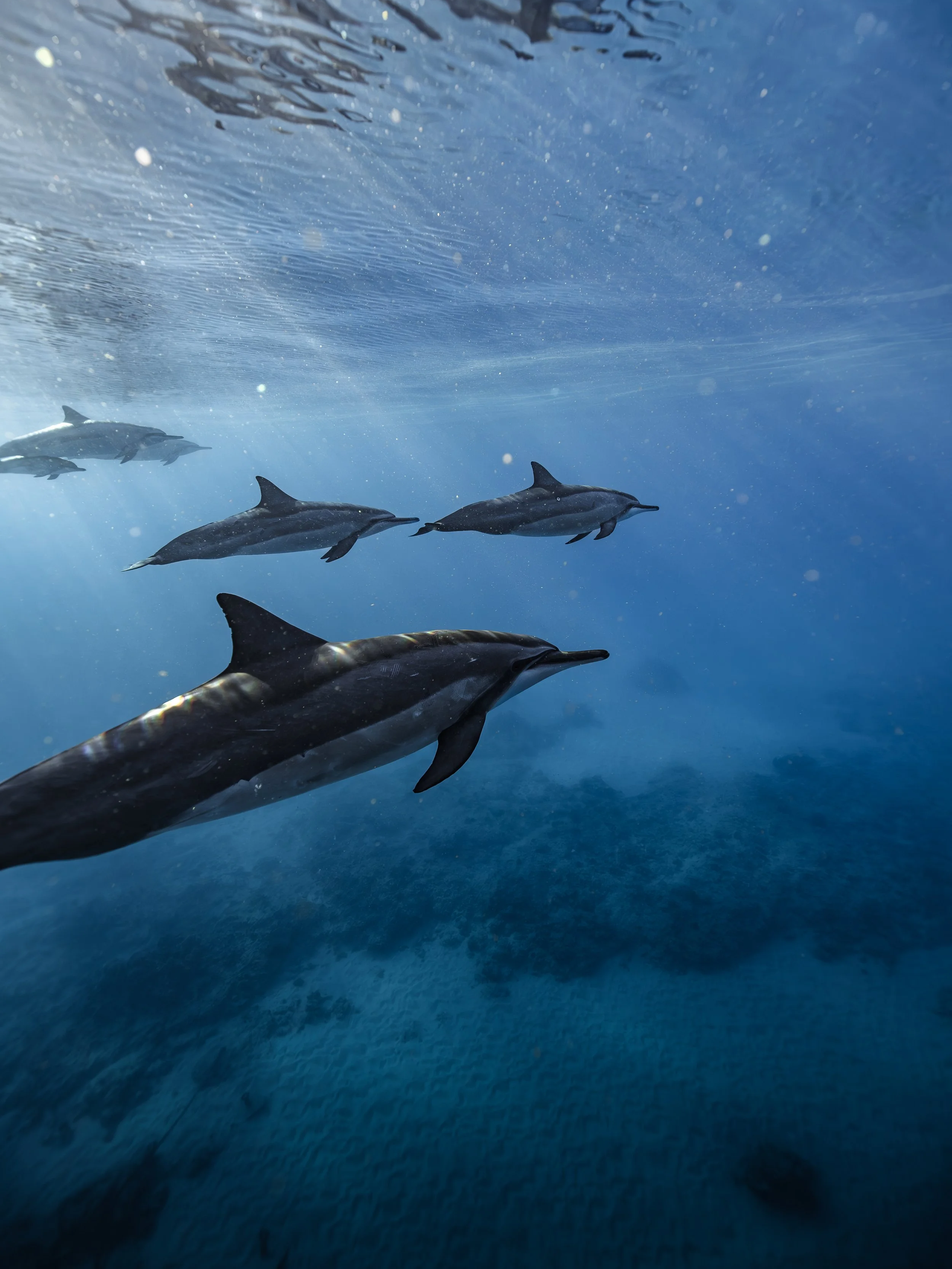
Another incredible marine animal occasionally seen while snorkeling or boating around Oahu is the Hawaiian spinner dolphin. These energetic dolphins are known for their playful behavior and acrobatic leaps, often spinning multiple times in the air before splashing back into the ocean.
Spinner dolphins typically spend their nights hunting offshore in deeper water, feeding on small fish and squid that migrate toward the surface after dark. During the day, they often move into sheltered coastal bays around Oahu to rest and socialize.
While they are most commonly seen along the island’s west side and North Shore, lucky snorkelers sometimes spot pods passing through deeper waters near Waikiki. Seeing dolphins swimming freely in the wild can be one of the most unforgettable ocean experiences during a trip to Hawaii.
Because spinner dolphins are protected under federal law, visitors should always observe them from a respectful distance and avoid approaching or attempting to swim directly with them. Responsible wildlife viewing helps ensure these animals can continue using Hawaii’s coastal waters safely.
HUMPBACK WHALES (WINTER SEASON)
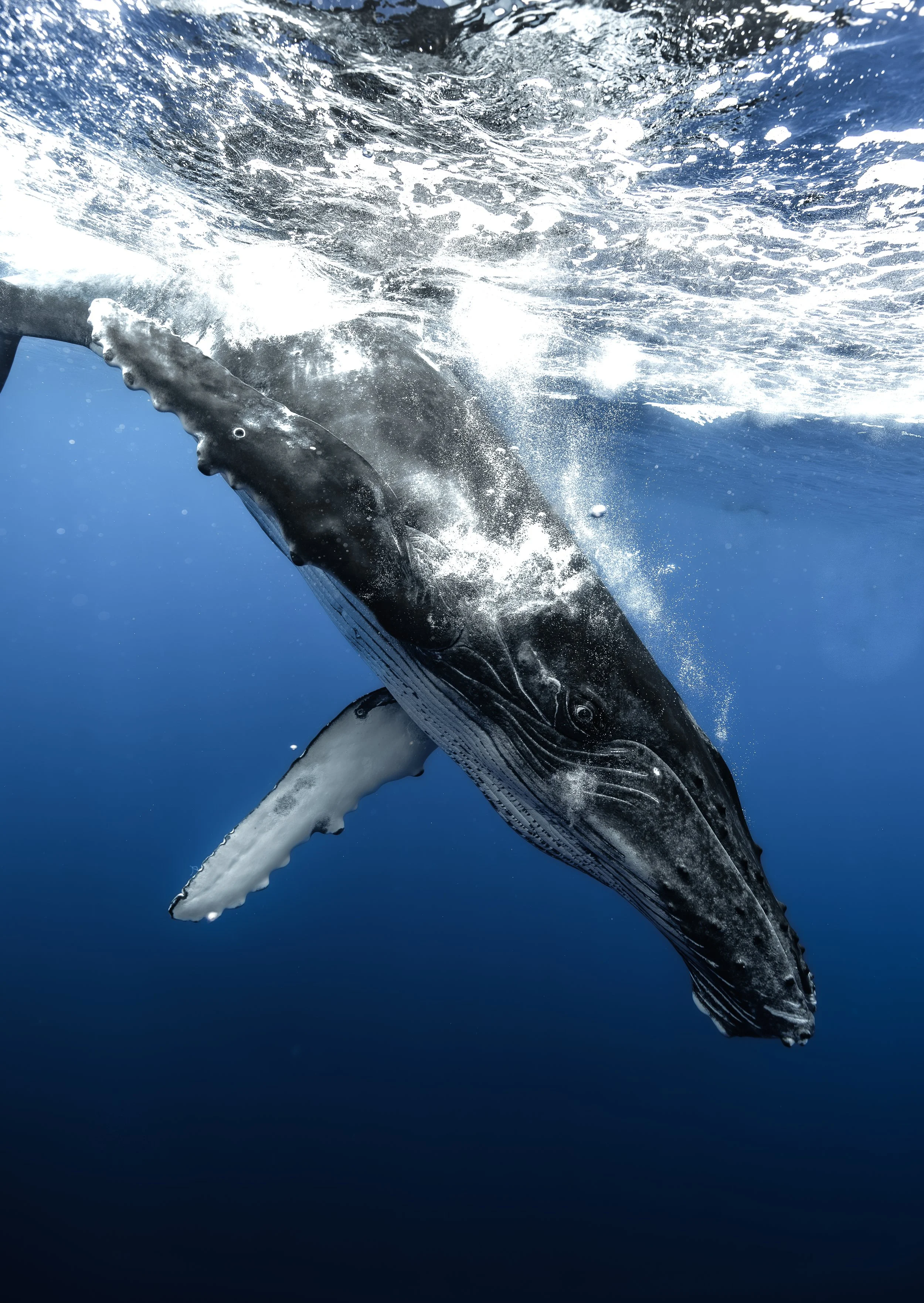
During the winter months, Oahu’s waters become part of one of the most remarkable wildlife migrations on Earth. Every year, thousands of humpback whales travel from the cold feeding grounds of Alaska to the warm waters of Hawaii to mate, give birth, and raise their calves.
Whale season in Hawaii typically runs from December through March, with the highest activity often occurring between January and early March. During this time, visitors on snorkel tours or boat trips departing from Waikiki frequently spot whales breaching, tail slapping, or swimming just offshore.
Although humpback whales are usually seen from boats rather than while snorkeling, their presence is still a spectacular part of Hawaii’s ocean environment. Hearing the distant sound of a whale’s blow or seeing a massive tail rise above the water is something many visitors never forget.
Hawaii’s warm, protected waters provide an ideal nursery for humpback whale mothers and their newborn calves before they begin the long migration back to Alaska in the spring.

Eagle Rays
While less common than reef fish or sea turtles, snorkelers occasionally spot spotted eagle rays gliding through the deeper blue water near reef edges. These graceful animals have wide, wing-like fins and distinctive white spots scattered across their dark bodies, making them one of the most striking rays found in Hawaiian waters.
When they swim, eagle rays move with slow, powerful strokes that make them appear as if they are flying underwater. They are often seen cruising along the reef or soaring through open water in search of small fish and crustaceans.
Although sightings are not guaranteed, encountering a spotted eagle ray while snorkeling on Oahu is considered a special moment and one of the more memorable wildlife experiences in Hawaii’s ocean.
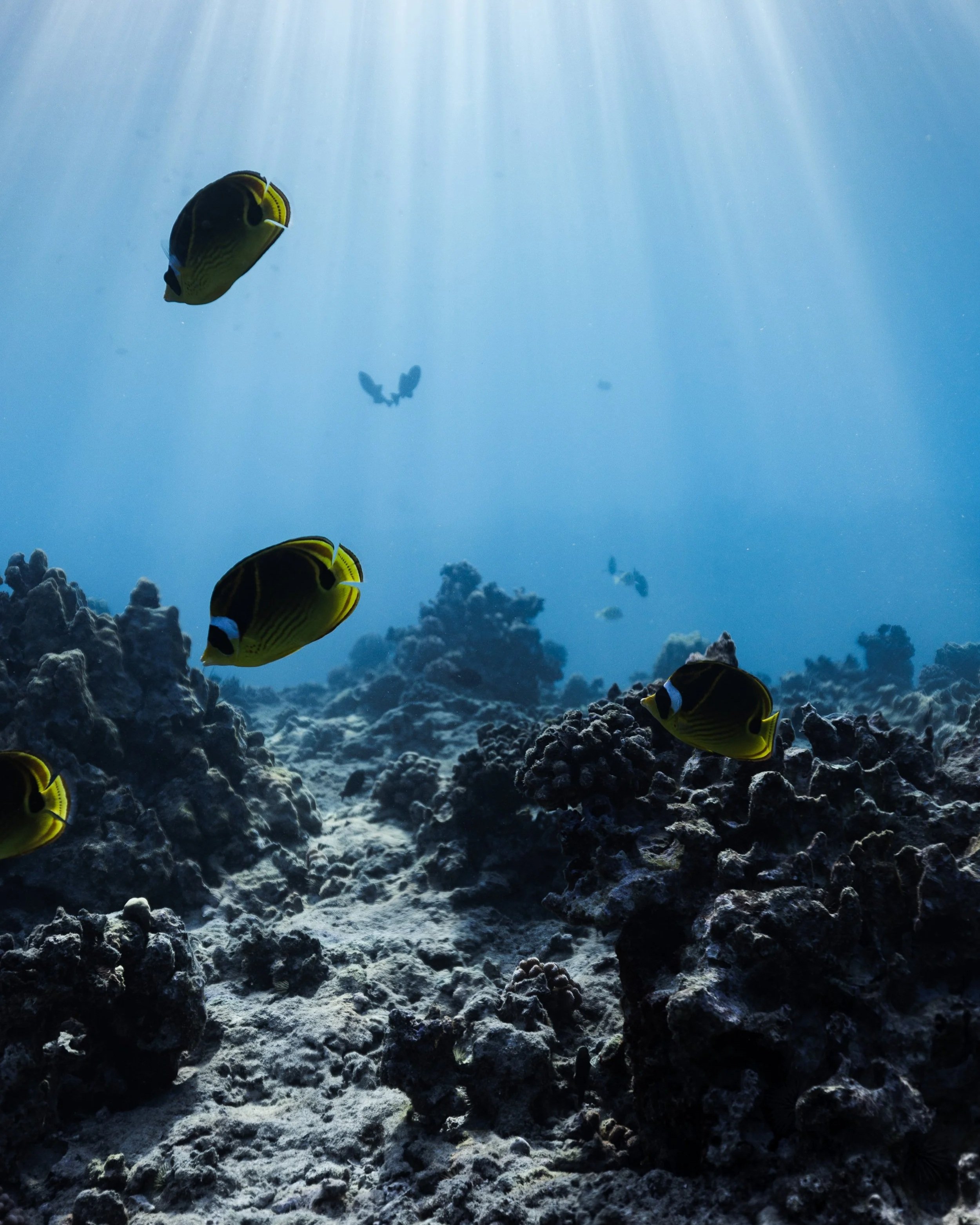
Tropical Reef Fish of oahu
While sea turtles and dolphins are some of the most exciting animals to encounter in Hawaii, the majority of marine life snorkelers see around Oahu are colorful tropical reef fish. The coral reefs surrounding the island provide shelter and food for hundreds of fish species that thrive in warm, clear Hawaiian waters.
Snorkelers exploring reefs around Waikiki, Hanauma Bay, and the North Shore often see schools of brightly colored fish swimming through the coral. Common species include yellow tangs, butterflyfish, parrotfish, surgeonfish, and wrasses.
These reef fish play an important role in maintaining healthy coral ecosystems by grazing on algae and helping keep reefs balanced. While they may be smaller than some of Hawaii’s larger marine animals, the incredible variety of reef fish is one of the reasons snorkeling on Oahu is so vibrant and visually stunning.
Some of the most commonly seen fish include:
Butterflyfish
Bright yellow reef fish often swimming in pairs. Several species of butterflyfish live around Oahu’s reefs.
Parrotfish
Colorful fish known for their beak-like mouths that scrape algae from coral. Their feeding actually helps create the white sand found on many Hawaiian beaches.
Sergeant Major Fish
Small striped fish that frequently swim close to snorkelers.
Moorish Idol
One of Hawaii’s most recognizable reef fish with bold black, white, and yellow stripes.
These reef fish create the vibrant underwater scenes that make snorkeling in Hawaii so unique.
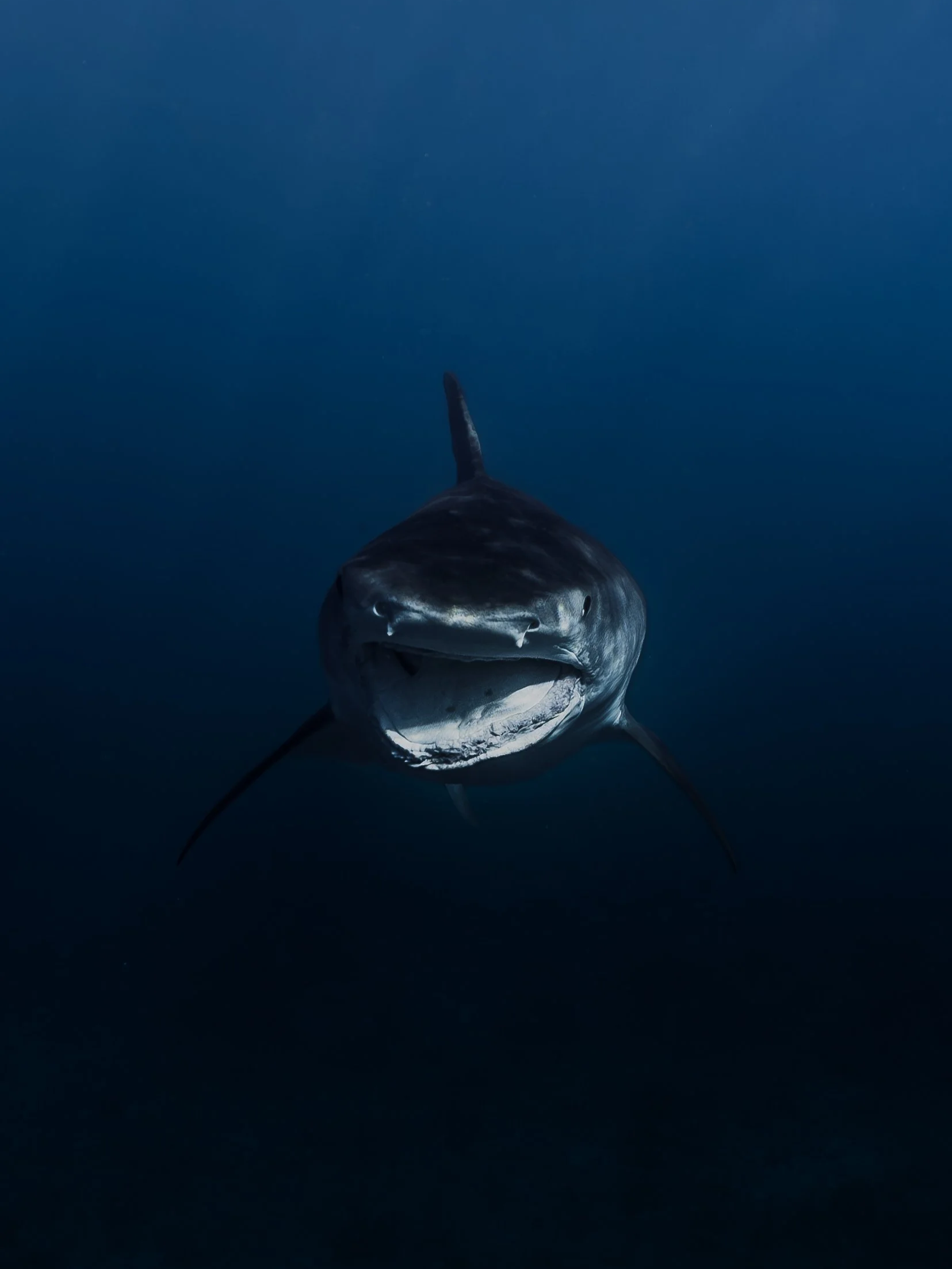
TIGER SHARKS (GALEOCERDO CUVIER)
Many visitors planning ocean activities on Oahu often ask the same question: “Are there sharks in Hawaii?” The answer is yes — several shark species live in Hawaiian waters, including the well-known tiger shark. These large sharks are native to the tropical Pacific and are occasionally spotted around the islands, particularly in deeper offshore waters.
Tiger sharks get their name from the faint vertical stripes along their bodies, which resemble the markings of a tiger. These stripes are more visible when the sharks are young, but they fade as the sharks grow older. Adult tiger sharks can grow over 12–14 feet long, making them one of the largest predatory fish in Hawaii’s ocean ecosystem.
Despite their reputation, shark encounters while snorkeling in Hawaii are extremely rare. Most snorkeling locations on Oahu — including reefs around Waikiki such as Turtle Canyon — are shallow reef environments where tiger sharks are not commonly found.
Visitors who want to see sharks in Hawaii often join North Shore shark diving tours, which take place in deeper offshore waters where several shark species live. These tours frequently encounter Galapagos sharks, sandbar sharks, and occasionally tiger sharks swimming in the open ocean.
Sharks are an important part of Hawaii’s marine ecosystem and play a critical role in maintaining healthy ocean environments. As apex predators, they help regulate fish populations and keep coral reef ecosystems balanced.
While sharks are naturally present in the ocean, they are rarely seen by snorkelers. With millions of people entering Hawaii’s waters every year, shark encounters remain extremely uncommon. Most visitors exploring Oahu’s reefs will instead see sea turtles, tropical fish, and other marine life thriving in Hawaii’s vibrant underwater world.
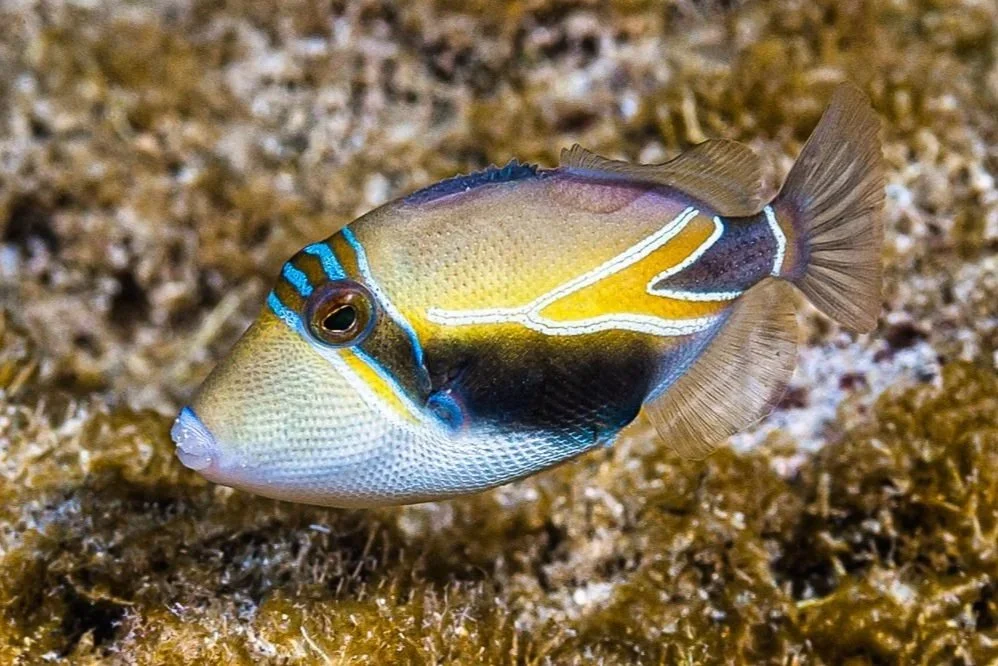
Hawaiian State Fish (Humuhumunukunukuāpuaʻa)
One of the most recognizable reef fish in Hawaii is the humuhumunukunukuāpuaʻa, often simply called the “humuhumu.” This colorful triggerfish is Hawaii’s official state fish and is known for its unique name and distinctive patterns.
Humuhumu fish are commonly found around shallow reef areas where they swim close to the coral searching for small invertebrates, algae, and crustaceans. Their bold colors and curious personalities make them a favorite among snorkelers exploring Hawaii’s reefs.
Despite their relatively small size, these fish can be surprisingly territorial and are known to defend their favorite reef areas from other fish. Spotting a humuhumunukunukuāpuaʻa while snorkeling is a fun reminder of Hawaii’s unique marine biodiversity.
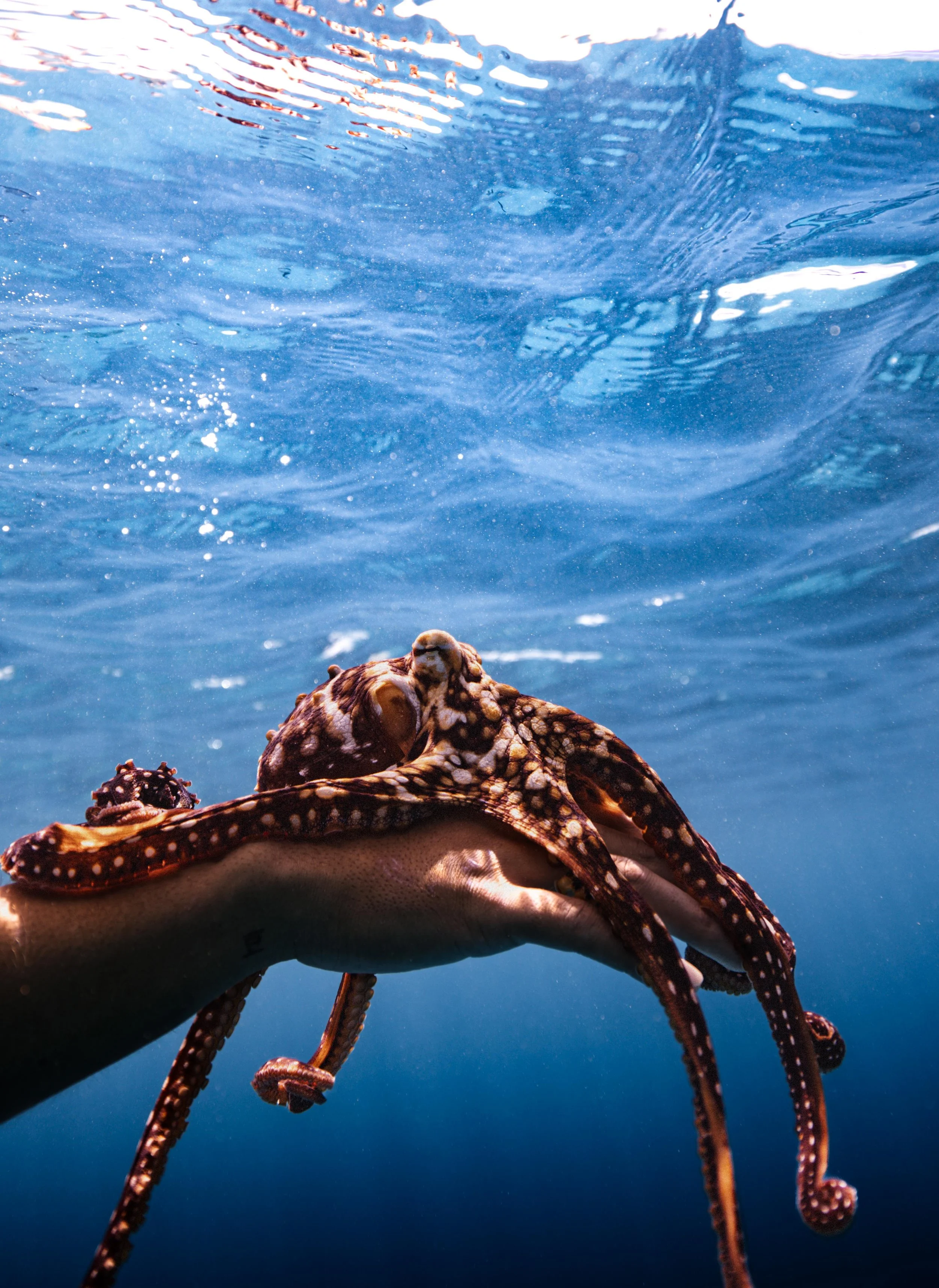
HAWAIIAN DAY OCTOPUS (HE'E)
One of the most fascinating animals occasionally seen while snorkeling on Oahu is the Hawaiian day octopus, known locally as heʻe. These incredibly intelligent creatures are masters of camouflage and can change both the color and texture of their skin in seconds to blend into rocks, coral, or sand.
Unlike many octopus species that are active at night, the Hawaiian day octopus often hunts during daylight hours. Snorkelers exploring reef areas may sometimes spot one moving across the reef or hiding inside small crevices between rocks and coral.
Octopuses feed on small fish, crabs, and other crustaceans, using their powerful suction cups and flexible arms to capture prey. They are also known for their problem-solving abilities and are considered among the most intelligent invertebrates in the ocean.
Because they rely heavily on camouflage for protection, octopuses can be surprisingly difficult to spot. However, careful snorkelers who take their time exploring reef structures may occasionally be rewarded with the rare sight of an octopus gliding across the reef or disappearing instantly into its surroundings.
Encounters with octopus are never guaranteed, but spotting one in the wild is always a special moment and a reminder of the incredible diversity of marine life found in Hawaii’s reefs.
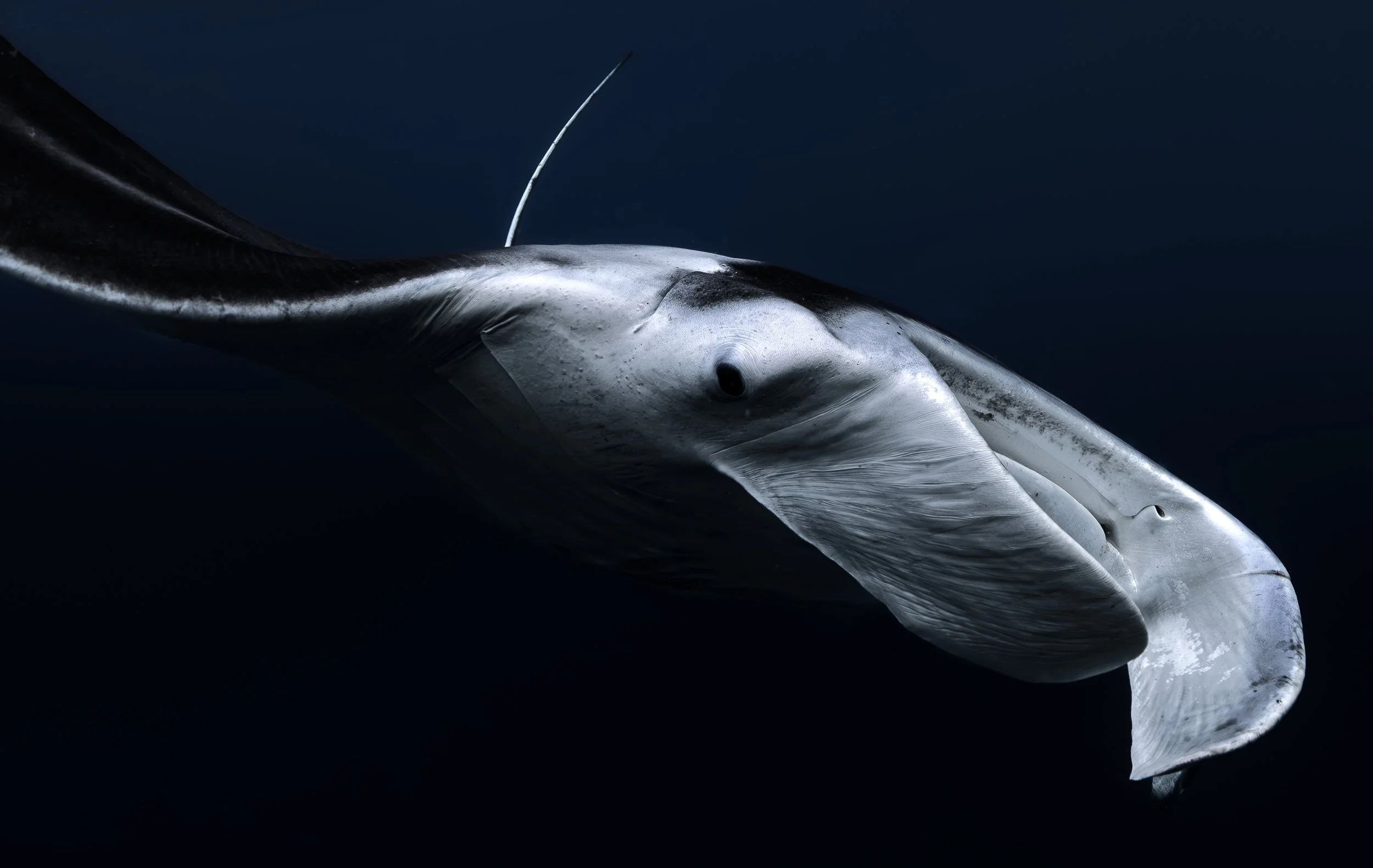
MANTA RAYS
Manta rays are one of the most awe-inspiring animals found in Hawaiian waters. With wingspans that can reach over 12 feet across, these gentle giants glide gracefully through the ocean using large wing-like fins to move through the water.
Many visitors planning ocean activities in Hawaii often wonder “Can you see manta rays in Hawaii?” The answer is yes, although sightings around Oahu are less common than on the Big Island, where manta ray night dives are famous. Around Oahu, manta rays are occasionally spotted cruising through deeper offshore waters or passing along reef drop-offs.
Manta rays feed primarily on tiny plankton and small organisms that drift in ocean currents. Unlike stingrays, they do not have a stinger and are completely harmless to humans. When feeding, mantas often perform slow looping movements through the water to filter plankton into their mouths.
Although encounters with manta rays while snorkeling on Oahu are rare, lucky ocean explorers sometimes see them gliding through the deep blue water beyond the reef. Seeing a manta ray in the wild is considered one of the most unforgettable marine wildlife experiences in Hawaii.
These incredible animals play an important role in the ocean ecosystem and are protected in Hawaiian waters. Observing them respectfully helps ensure future generations can continue to experience the magic of these gentle giants.
Other Marine Life
Depending on ocean conditions and the time of year, snorkelers on Oahu may also see:
schools of tropical reef fish
octopus hiding in reef crevices
reef triggerfish
sea urchins and starfish along the reef
Because the ocean environment is constantly changing, every snorkeling experience can be slightly different.
Why Turtle Canyon Is One of the Best Snorkel Spots on Oahu
While there are many snorkeling locations around the island, Turtle Canyon near Waikiki stands out because of its reliable turtle sightings and easy boat access.
Located just offshore from Waikiki, the reef acts as a natural gathering place for sea turtles and reef fish. The relatively shallow depth and clear water make it an ideal location for both beginner and experienced snorkelers.
For visitors staying in Waikiki, a short boat ride to Turtle Canyon offers one of the easiest ways to experience Hawaii’s marine life up close.
Respecting Hawaii’s Marine Life
Hawaii’s reefs are delicate ecosystems that support hundreds of species of marine life. When snorkeling on Oahu, it’s important to follow responsible ocean practices:
Never touch or chase sea turtles
Avoid standing on coral reefs
Use reef-safe sunscreen
Keep a respectful distance from wildlife
By following these simple guidelines, visitors help protect Hawaii’s ocean environment for future generations.