
Humpback Whale Season in Hawaii: When to See Whales on Oahu
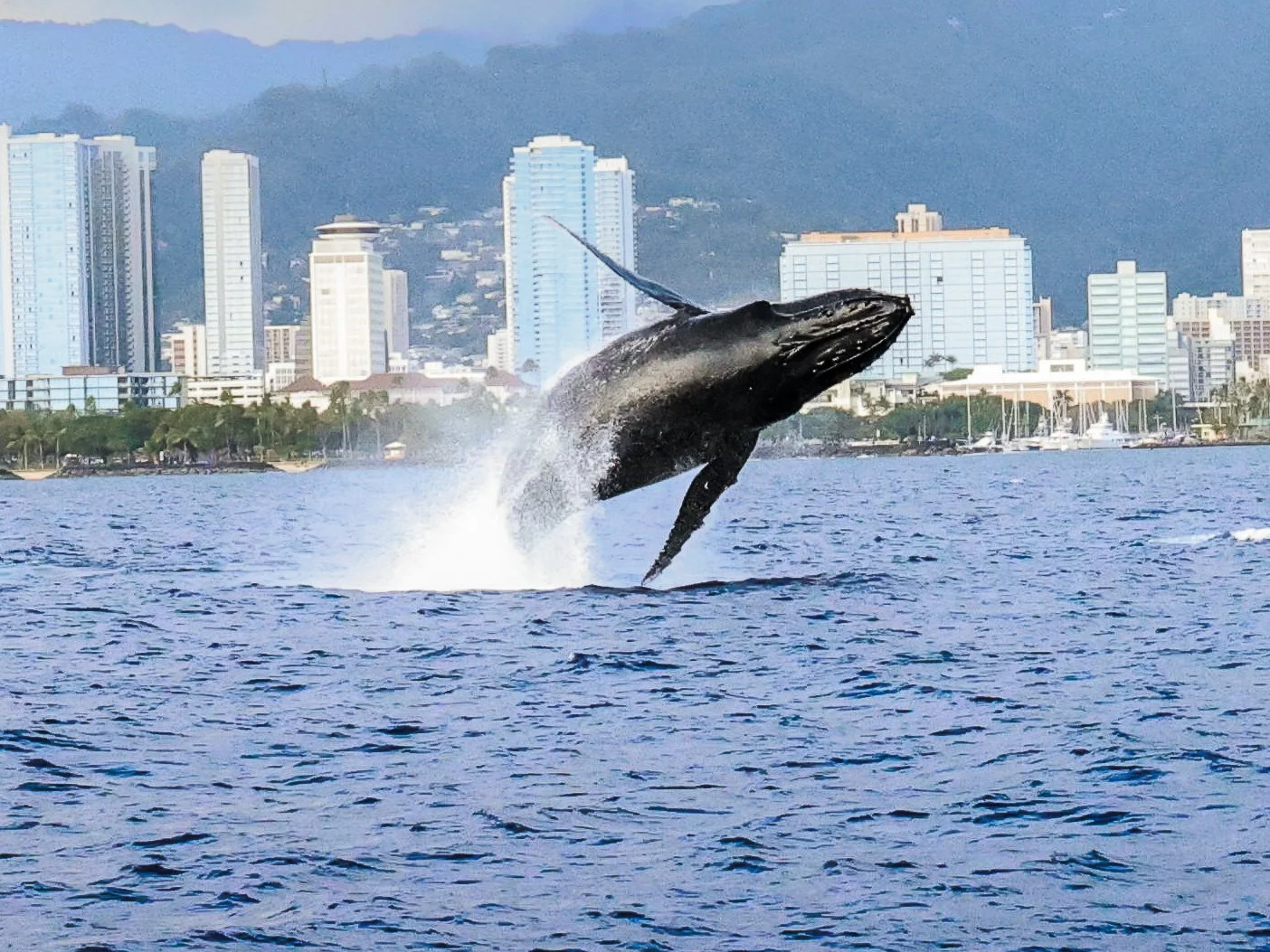
Every winter, the waters surrounding Hawaii become the stage for one of the most incredible wildlife migrations on Earth. Thousands of humpback whales travel more than 3,000 miles from Alaska to Hawaii to mate, give birth, and raise their calves in the warm Pacific Ocean.
For visitors planning a trip to Oahu, whale season offers a rare opportunity to see these massive animals breaching, tail slapping, and swimming just offshore. Many travelers specifically search for whale watching in Oahu, hoping to witness humpback whales in their natural habitat during their time in Hawaii.
In this guide, we’ll cover everything you need to know about whale season in Hawaii, including when humpback whales arrive, where to see them on Oahu, and the best ways to experience this incredible wildlife event.
When Is Whale Season in Hawaii?
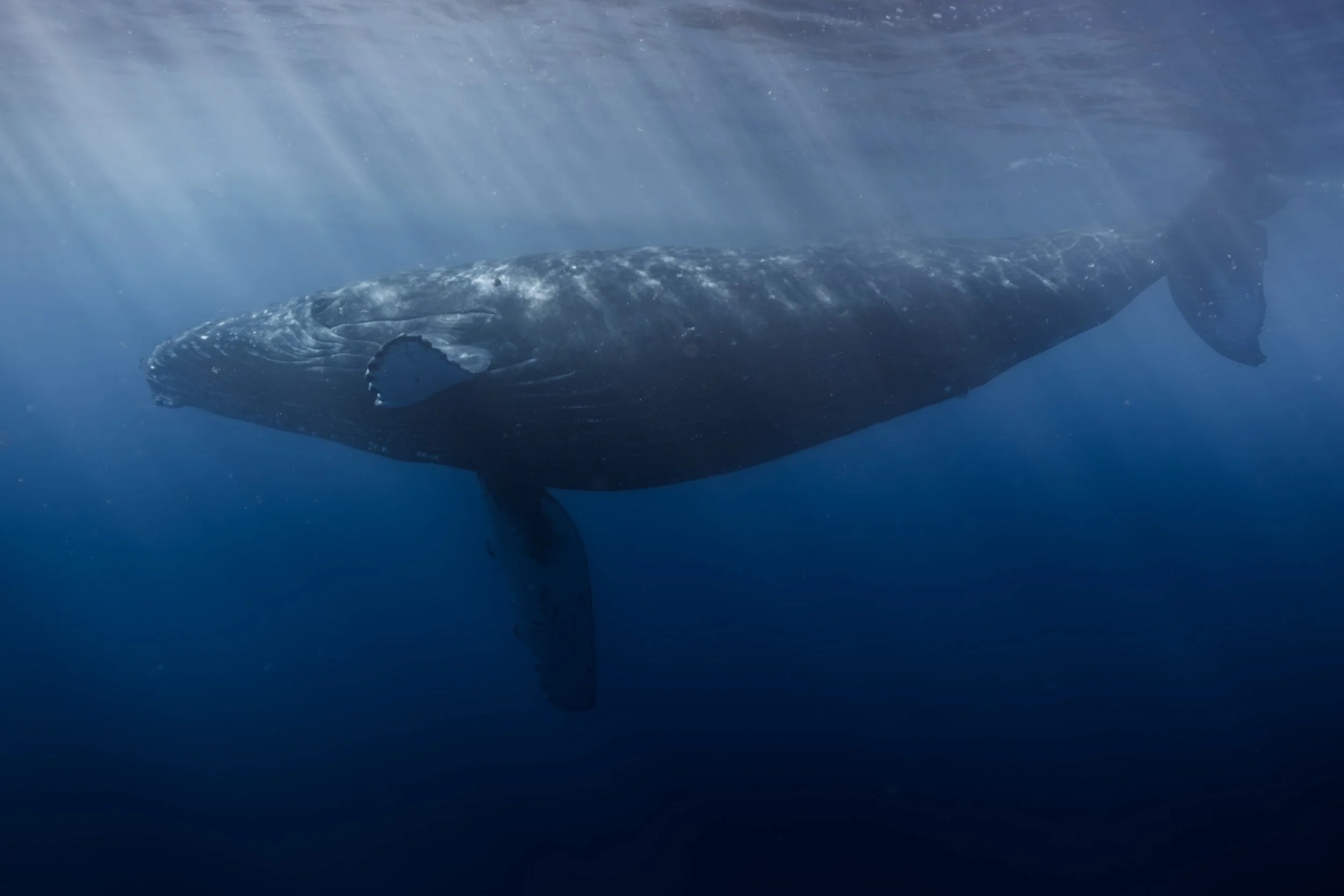
Humpback whale season in Hawaii typically runs from December through March, when thousands of whales migrate from the cold feeding waters of Alaska to the warm, protected waters of the Hawaiian Islands.
While whales may begin appearing in Hawaiian waters in late November, sightings become more frequent throughout December and peak during January, February, and early March.
During this time, humpback whales gather around the islands to mate, give birth, and care for newborn calves before returning north in the spring.
Visitors traveling to Hawaii during the winter months often have an excellent chance of seeing whales from boats, scenic coastal viewpoints, and sometimes even from the beaches of Oahu.
Why Do Whales Come to Hawaii?
Humpback whales migrate to Hawaii every winter for one primary reason: breeding and raising their young.
The cold waters of Alaska provide abundant food for whales during the summer months, but the ocean temperatures are too cold for newborn calves. Hawaii’s warm tropical waters offer a safe and calm environment where baby whales can grow stronger before making the long journey back north.
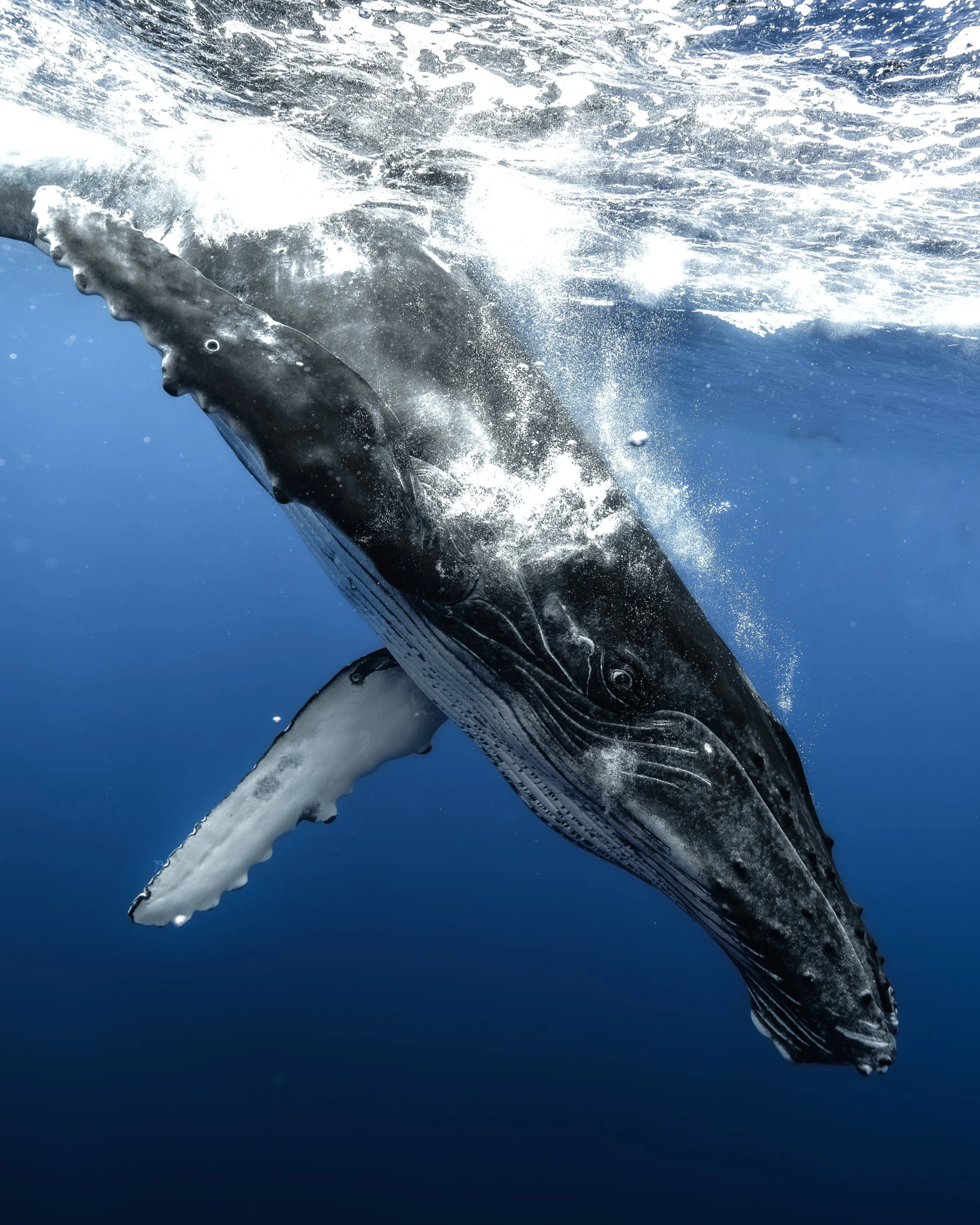
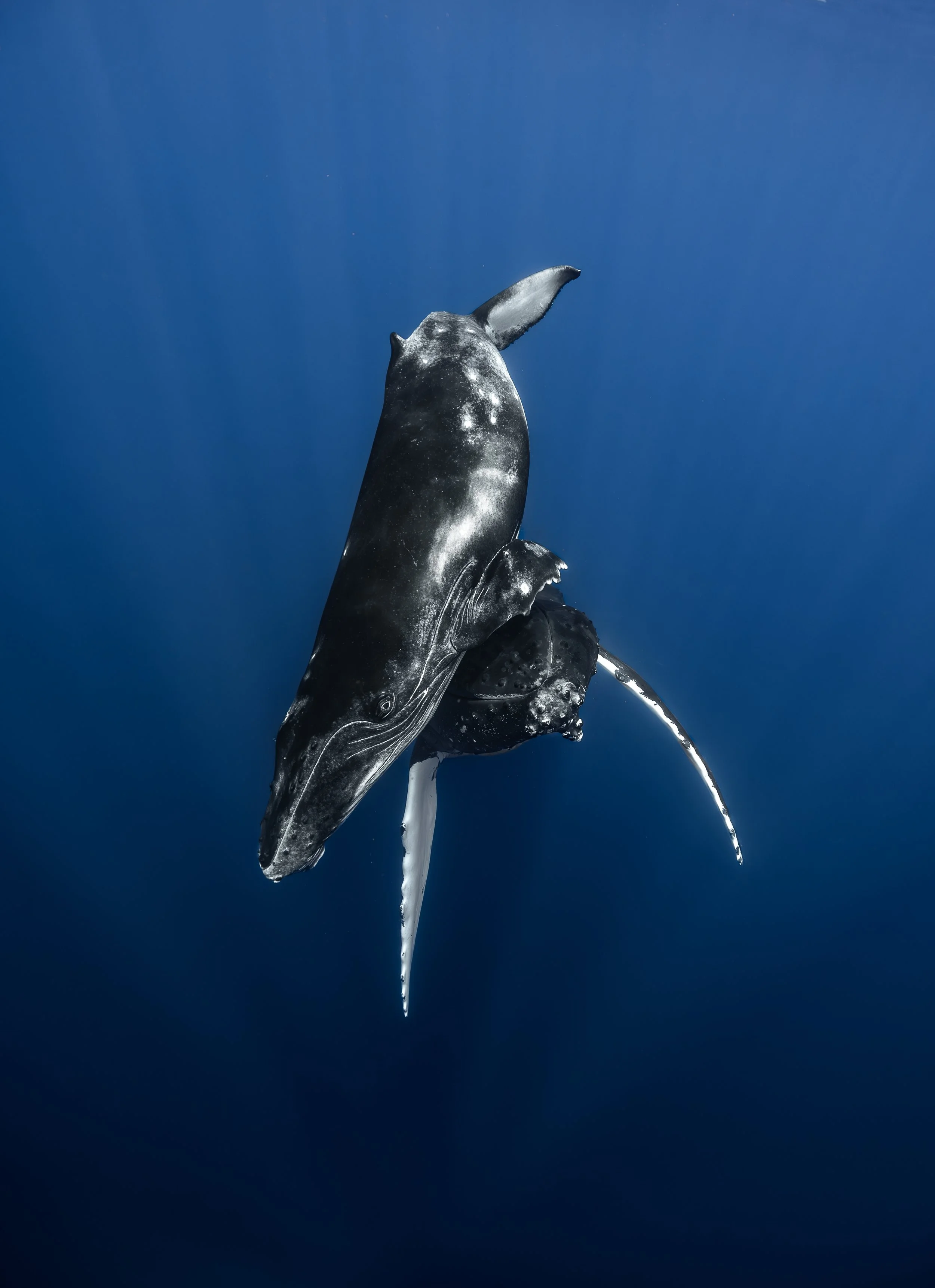
Mother humpback whales often stay close to their calves while they learn to swim, surface for air, and develop the strength needed for the migration back to Alaska.
Because of this, Hawaii has become one of the most important breeding grounds for humpback whales in the Pacific Ocean.
Where to See Whales on Oahu
Many visitors ask “Where can you see whales on Oahu?” Fortunately, humpback whales can be spotted in several locations around the island during whale season.
Some of the best places to see whales on Oahu include:
Waikiki and the South Shore
The waters just offshore from Waikiki often host humpback whales during the winter months. Boat tours departing from Waikiki Harbor frequently encounter whales breaching, tail slapping, or swimming along the coastline.
Because of the deep water close to shore, whales can sometimes be seen surprisingly close to land, especially on calm winter days when visibility is clear.
Makapuʻu Lighthouse Lookout
Located on Oahu’s southeastern coast, Makapuʻu Lighthouse offers one of the best land-based whale watching viewpoints on the island. Visitors standing along the scenic cliffs can often spot whales breaching offshore during peak season.
The elevated vantage point makes it easier to see whale spouts, tail slaps, and other whale activity happening farther out in the ocean.
Diamond Head and Kahala Coastline
The coastline east of Waikiki also offers occasional whale sightings. When ocean conditions are clear, visitors may see whale spouts or large splashes in the distance as whales breach offshore.
Scenic viewpoints around Diamond Head and Kahala sometimes provide excellent opportunities to spot whales traveling along the island’s southern coastline during the migration season.
North Shore
Although the North Shore is most famous for its massive winter surf, whales can also be spotted off this coastline during the winter months. The deep offshore waters create an ideal migration route for humpback whales traveling around the island.
Visitors exploring beaches along the North Shore sometimes see whale spouts or breaches far offshore during peak whale season.
West Side (Ko Olina and Waianae Coast)
The west side of Oahu is also known for excellent whale sightings during the winter migration. Areas along the Waianae Coast and Ko Olina often provide clear views of humpback whales traveling through the deeper waters offshore.
Because the coastline faces open ocean and experiences fewer large winter swells than the North Shore, whale watching tours departing from this area frequently encounter whales breaching, tail slapping, or swimming with their calves nearby.
Can You See Whales From Waikiki?
One of the most common questions travelers ask is “Can you see whales from Waikiki?”
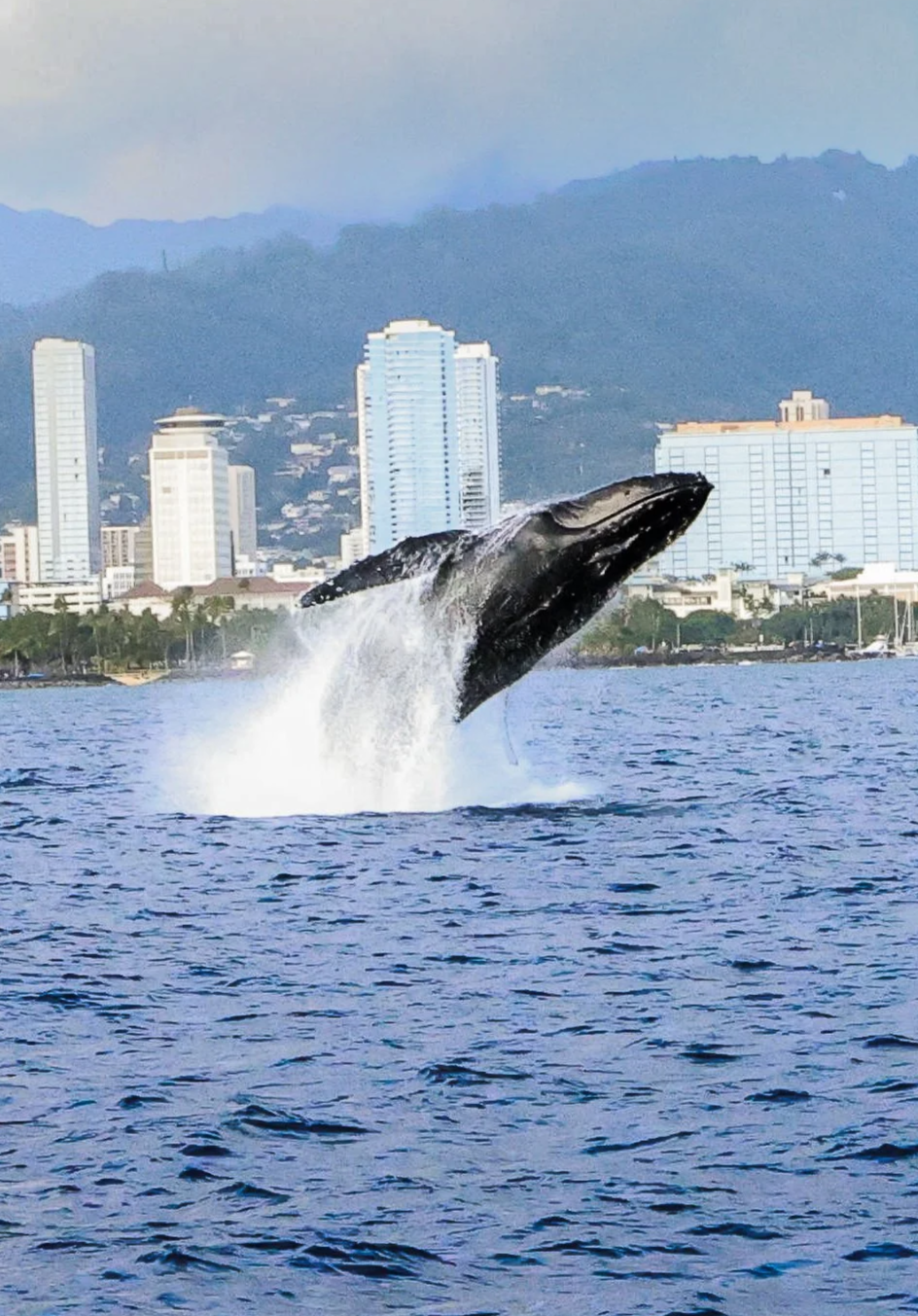
The answer is yes — humpback whales are often spotted offshore from Waikiki during whale season. Boat tours departing from Waikiki Harbor frequently encounter whales during the winter months, especially between January and March when whale activity peaks.
Even visitors walking along the beach sometimes spot whale spouts or breaches in the distance when the ocean is calm and visibility is good.
Because humpback whales are large and powerful animals, their breaching behavior can sometimes be seen from surprisingly far away.
What Does Whale Breaching Mean?
One of the most spectacular behaviors humpback whales display is breaching, when a whale launches its entire body out of the water before crashing back into the ocean.
Scientists believe whales breach for several possible reasons:
• communication with other whales
• removing parasites from their skin
• play behavior
• signaling during mating displays
Regardless of the reason, witnessing a humpback whale breach is considered one of the most unforgettable wildlife experiences in the ocean.
Other Whale Behaviors You Might See
While breaching gets most of the attention, humpback whales display many other fascinating behaviors.
During whale season in Hawaii, visitors may observe:
Tail Slapping – whales slap their tails against the water, possibly to communicate with other whales.
Pectoral Fin Slapping – whales raise their large fins out of the water and slap the surface.
Spouting – the visible burst of air and water vapor when a whale surfaces to breathe.
Mother and Calf Swimming – young whales often stay close to their mothers as they learn to navigate the ocean.
These behaviors can often be seen during whale watching tours or from scenic coastal viewpoints around Oahu.
Are Whales Dangerous?
Despite their enormous size, humpback whales are generally gentle animals and pose very little risk to humans.
Because whales are protected under federal law in the United States, boats are required to maintain a safe viewing distance when observing whales in Hawaiian waters. This helps ensure the animals are not disturbed during breeding and calving season.
Responsible whale watching allows visitors to enjoy these incredible animals while protecting their natural behavior and habitat.
Tips for Whale Watching on Oahu
If you’re hoping to see humpback whales during your visit to Hawaii, a few simple tips can greatly improve your chances of spotting them in the wild.
• Visit during peak whale season (January through early March). This is when humpback whale activity around Oahu is at its highest.
• Look for whale spouts on the horizon. The misty burst of air when a whale surfaces to breathe is often the first sign a whale is nearby.
• Watch for splashes or breaches. Large splashes in the distance may indicate whales breaching, tail slapping, or interacting with other whales.
• Choose calm ocean days. Clear, calm conditions make it much easier to spot whales from both land and boats.
• Scan the water slowly and be patient. Whales may surface for a few breaths before diving again for several minutes.
While whales can sometimes be spotted from beaches and scenic viewpoints around Oahu, boat tours and ocean cruises departing from Waikiki Harbor often provide the best opportunity to see humpback whales up close during Hawaii’s winter whale season. Being out on the water allows visitors to cover more area and increases the chances of witnessing incredible whale behaviors like breaching, tail slapping, or mothers swimming with their calves.
For many travelers visiting Hawaii in the winter months, seeing humpback whales in the wild becomes one of the most memorable highlights of their trip.
best Whale Watching and Ocean Tours on Oahu
For many visitors traveling to Hawaii during the winter months, whale watching on Oahu becomes one of the most unforgettable ocean experiences of their trip. Every year between December and March, thousands of humpback whales migrate through Hawaiian waters, and many ocean tours around the island provide opportunities to see these incredible animals breaching, tail slapping, and swimming along the coastline.
Several well-known companies operate whale watching tours departing from Waikiki and other harbors around Oahu. Popular operators include Pink Sails Waikiki, Living Ocean Tours, Star of Honolulu Cruises, Ocean Adventures Hawaii, Hawaii Nautical, and a number of smaller local charter boats that take guests offshore to search for humpback whales during the migration season.
While some tours are dedicated specifically to whale watching, many other ocean excursions also encounter whales during the winter months. Snorkel tours, sailing trips, and sunset cruises departing from Waikiki Harbor frequently spot humpback whales breaching or tail slapping while traveling along the south shore of Oahu.
At Island Splash Tours, whale sightings are always a special highlight during the winter season. Although our sunset cruises are not officially whale watching tours, our crew keeps a close eye on the ocean and makes it a priority to point out whales whenever they are nearby. Watching a humpback whale breach against the backdrop of the Waikiki coastline is an unforgettable experience, and our crew loves sharing those moments with guests.
Because Island Splash Tours places a strong emphasis on ocean education and conservation, whale sightings often become an opportunity to teach guests about humpback whale behavior, their incredible migration from Alaska to Hawaii, and why protecting these animals and their habitat is essential for the health of the ocean.
Seeing a humpback whale in the wild is something many travelers remember long after their trip to Hawaii. Whether you encounter whales on a dedicated whale watching tour, a snorkeling excursion, or a sunset cruise along the Waikiki coastline, witnessing these magnificent animals in their natural environment is truly one of the most magical experiences the Pacific Ocean has to offer.